
"Zen Buddhism"
30 article(s) found

A cafe filled with ancient Chinese culture
I think moral goodness is mainly influenced by Taoism and Zen, and the focus may first focus on self-improvement, rather than reaching the world at the same time, because in today's social environment, good people often have to bear huge cost risks. In the past, the disciples of Confucius once lamented that only after decades of inculcation, the Confucianists had 72 wise men, while Laozi ruled by doing nothing.

Coffee is also spreading and evolving with the times.
Some operators integrate Chinese elements into the operation of cafes. I looked at some of the photos on the Internet and found that the cafe had been moved into a house similar to a courtyard house, which also used a lot of ancient Chinese furniture. The overall feeling is naturally antique, rich and elegant; however, only that, can it present the artistic conception or connotation of a Chinese-style cafe?

Differences in taste characteristics and historical stories between Japanese matcha and green tea is matcha powder made of green tea
In the heyday of the Tang Dynasty, as people from all over the world went to China to study, Chinese tea also followed the envoys of the Tang Dynasty to his motherland, all over East Asia. Among them, a Japanese monk named Mingan Rongxi is known as the father of Japanese tea. The Mingan Rongxi monk made two trips to China during the prosperous Tang Dynasty, where he studied religion and introduced Linji Zen Buddhism to Japan. For the second time
Chinese tea and western coffee culture-2
(3) the unity of heaven, earth and man in tea culture and coffee culture the dichotomy of tea culture is the Taoist theory of the unity of heaven, earth and man. Taoism believes that heaven, earth and man are equal and should adapt to nature and take the initiative to understand the law, so that people can get the greatest satisfaction. Tea comes from the forest of the mountains, receives the essence of heaven and earth, and bears the rain and dew of abundant soil, which contains Taoism's indifference, serenity and return to nature.

Coffee Culture Influence: Chinese Tea and Western Coffee Culture
(3)Tea culture of heaven, earth, human unity and coffee culture of heaven and man dichotomy tea culture is heaven, earth, human unity taoist doctrine. Taoism believes that heaven, earth and man are equal, and should adapt to nature and actively understand the law, so that people can get the greatest satisfaction. Tea is produced in the forest of the mountains. It receives the essence of heaven and earth and the rain dew of abundant earth. It contains Taoism's indifference, tranquility and return to nature.
A comparison between Chinese Tea and Western Coffee Culture
(3) the unity of heaven, earth and man in tea culture and coffee culture the dichotomy of tea culture is the Taoist theory of the unity of heaven, earth and man. Taoism believes that heaven, earth and man are equal and should adapt to nature and take the initiative to understand the law, so that people can get the greatest satisfaction. Tea comes from the forest of the mountains, receives the essence of heaven and earth, and bears the rain and dew of abundant soil, which contains Taoism's indifference, serenity and return to nature.
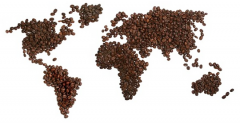
Chinese Coffee History Chinese Tea and Western Coffee Culture
(3) the unity of heaven, earth and man in tea culture and coffee culture the dichotomy of tea culture is the Taoist theory of the unity of heaven, earth and man. Taoism believes that heaven, earth and man are equal and should adapt to nature and take the initiative to understand the law, so that people can get the greatest satisfaction. Tea comes from the forest of the mountains, receives the essence of heaven and earth, and bears the rain and dew of abundant soil, which contains Taoism's indifference, serenity and return to nature.
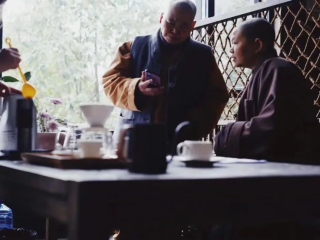
Buddha knows more about making coffee money than lucky Starbucks! Why is temple coffee so popular?
Professional coffee knowledge exchange more coffee bean information please follow the coffee workshop (Wechat official account cafe_style) more boutique coffee beans please add private Wechat Qianjie coffee, WeChat: qjcoffeex recently heard such a discussion: "No brand company knows more about making coffee than Buddha."

A brief history of tea origin stories and culture About the basic origins of tea Where did the knowledge originate
As far away as South Asia, in India, there is a story about tea: tea was discovered by Bodhidharma (AD 460 - 534). Born near Chennai (formerly Madras) in modern South India, Bodhidharma was the ancestor of Zen Buddhism. Rumor has it that he faced the wall for nine years, didn't sleep, didn't sleep, and meditated; one day he felt drowsy.
Chinese Style and Cafe
Before we talk about Chinese coffee shops, we have to discuss coffee shop culture briefly. What is Cafe Culture? But there are different opinions, and there is no consensus!

Chinese coffee culture coffee is also spreading with the times.
Some operators integrate Chinese elements into the operation of cafes. I looked at some of the photos on the Internet and found that the cafe had been moved into a house similar to a courtyard house, which also used a lot of ancient Chinese furniture. The overall feeling is naturally antique, rich and elegant; however, only that, can it present the artistic conception or connotation of a Chinese-style cafe?
Chinese style and Cafe in China's Coffee Market
Not long ago, it was reported that some operators had incorporated Chinese elements into the operation of cafes. I looked at some of the photos on the Internet and found that the cafe had been moved into a house similar to a courtyard house, which also used a lot of ancient Chinese furniture. The overall feeling is naturally antique, rich and elegant; however, only that, can it present the Chinese style coffee?

Coffee Common Sense Coffee is also constantly spreading and evolving with the times
Some operators integrate Chinese elements into the operation of cafes. I browsed some of the photos online and noticed that the cafe had been moved into a courtyard house with a lot of ancient Chinese furniture. The overall feeling is naturally antique, rich and elegant; however, only this, whether it can present the artistic conception or connotation of Chinese style cafes?
During the development of coffee, coffee is spreading and evolving with the times.
Some operators integrate Chinese elements into the operation of cafes. I looked at some of the photos on the Internet and found that the cafe had been moved into a house similar to a courtyard house, which also used a lot of ancient Chinese furniture. The overall feeling is naturally antique, rich and elegant; however, only that, can it present the artistic conception or connotation of a Chinese-style cafe?

The history of coffee development Coffee is spreading and evolving with the times.
Some operators integrate Chinese elements into the operation of cafes. I looked at some of the photos on the Internet and found that the cafe had been moved into a house similar to a courtyard house, which also used a lot of ancient Chinese furniture. The overall feeling is naturally antique, rich and elegant; however, only that, can it present the artistic conception or connotation of a Chinese-style cafe?

The ratio of Chinese tea to western coffee culture
Tea, coffee and cola are called the three largest drinks in the world, and the largest consumption is tea and coffee. Coffee plays an irreplaceable role in the life of westerners, no matter in school, company, shopping mall or at home, everyone enjoys it with a coffee cup, while tea is deeply rooted in Chinese life, it is not only a kind of drink, but also carries Chinese culture. Tea and coffee represent

Common sense of Coffee Culture Tea Culture History and Coffee Culture History
Tea, coffee and cola are called the three largest drinks in the world, and the largest consumption is tea and coffee. Coffee plays an irreplaceable role in the life of westerners, no matter in school, company, shopping mall or at home, everyone enjoys it with a coffee cup, while tea is deeply rooted in Chinese life, it is not only a kind of drink, but also carries Chinese culture. Tea and coffee represent
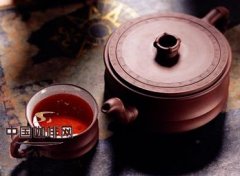
Comparison of Tea and Coffee the ratio of Chinese Tea and Western Coffee Culture
Tea, coffee and cola are called the three largest drinks in the world, and the largest consumption is tea and coffee. Coffee plays an irreplaceable role in the life of westerners, no matter in school, company, shopping mall or at home, everyone enjoys it with a coffee cup, while tea is deeply rooted in Chinese life, it is not only a kind of drink, but also carries Chinese culture. Tea and coffee represent

The relationship between Coffee Culture and Chinese Tea Culture
I like a way of working, working while drinking a drink. Sometimes it's coffee, sometimes it's Chinese tea. Apart from feeling the aroma and quality of coffee and tea, there is indeed an inextricable connection between the two drinks. At the beginning of its discovery, coffee was used to refresh monks and cure illness. after thousands of years of development in the Middle Ages, coffee has been dissolved into the daily life of people in western countries.
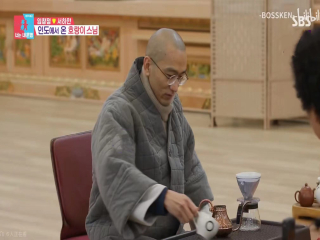
The temple hand-made coffee waiters! The monk freshly roasted coffee beans and brewed coffee himself.
Professional coffee knowledge exchange more coffee bean information please follow the coffee workshop (Wechat official account cafe_style) more boutique coffee beans please add private Wechat Qianjie coffee, WeChat account: qjcoffeex famous mountain famous tea, famous temple famous tea. Since most temples were built on famous mountains, in ancient times